
What's the Real Cost of Building a Website in 2025?
The immediate answer to the question, What does a website cost? is: It truly depends on your specific goals.
A website is not a standardized product; it is a strategic investment built to generate tangible results (clients, sales), not just mere online presence.
- November 19, 2025
Reading Time: 13 minutes

If you've made it this far, you are probably asking yourself the same question as countless other entrepreneurs: What is the real cost of a website in 2025?
And, most likely, you have already received a series of quotes that are wildly different; even though, at first glance, they all promise the exact same outcome.
❔ The Short Answer? It Depends.
❔ The Long Answer? It depends on a multitude of factors that, like most entrepreneurs, you simply aren't expected to see from the start. And that is perfectly normal. Very few people truly know what goes into the actual price of a website.
The truth is, a website is not a standardized commodity; it's a "Lego" built from technical, strategic, creative, and marketing pieces. Each of these components directly impacts the final price, but, more importantly, the results it can generate for your business.
Therefore, if your only goal is simply to 'check the box' and have a website, because that's what a good portion of today's entrepreneurs do, it's absolutely fine to go for cheaper or nearly free options. However, if the objective is to attract clients, generate sales, build visibility, and establish credibility, then the price transforms into a strategic investment, not merely an expense.
Thus, depending on your goal, you need to understand the following:
- Cutting corners on price often results in an underperforming, ineffective website.
- A website is more than just an attractive design; it requires strategy, structure, technology, Search Engine Optimization (SEO), and ongoing maintenance.
- A professional website is built for profit, not just for "presence."
- Not everything expensive is automatically good, but everything cheap comes with guaranteed risks.
Let's dive into the specifics and uncover the exact elements that influence website pricing in 2025.
Primary Factors Influencing Website Pricing
When you ask yourself: Why do the quotes vary so dramatically?, the answer lies in a handful of key elements. These factors can either hike up or significantly slash the final cost of your website.
Cost Factors
1. Type of Website
A website must be engineered with a clear objective in mind. Consequently, the type of site you need is one of the most significant variables determining the final price.
Example:
- A website dedicated to selling products (an e-commerce platform) will require integrated payment systems, robust product and inventory management, high-level security protocols, and numerous other complex functionalities.
- A brand-focused corporate website, created primarily to strengthen a company's branding, places a heavy emphasis on premium design, high-quality content, consistent visual identity, and intuitive navigation for the target audience.
The more complex the objective, the higher the required investment.
2. Platform Used
The choice of the underlying platform is another major factor that directly influences the final cost.
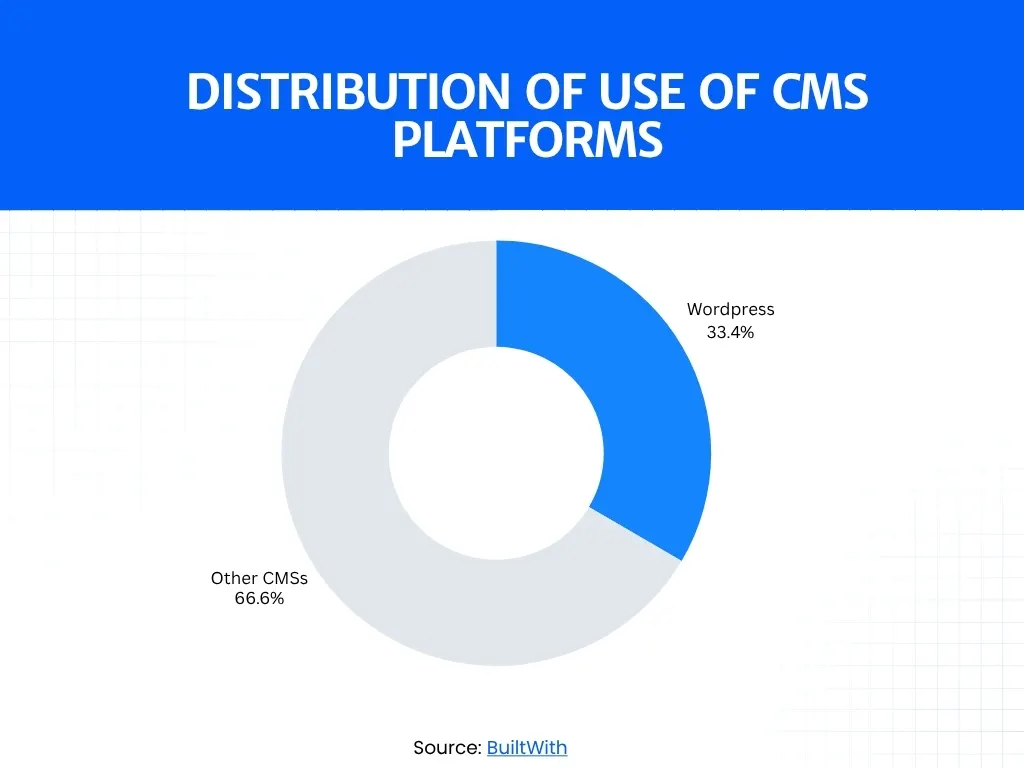
- Popular platforms like WordPress are excellent choices for corporate/presentation websites and small to medium-sized e-commerce stores because they offer ease of management and are simple for administrators to maintain post-launch.
- Other platforms, such as Shopify, are highly user-friendly and enable the rapid launch of an online store. However, they can become expensive in the long run, particularly when advanced or custom functionalities are required.
- Custom-built solutions involve a larger project team (developers, UX/UI designers, and QA testers) but deliver maximum flexibility. They are ideal for complex, scalable projects or those with highly specific technical requirements.
3. Custom Design vs. Template-Based
Utilizing a pre-built template is far more cost-effective than investing in custom design. Templates save time and costs, but they carry the risk of a generic look, resembling many competitors. Custom design, conversely, ensures uniqueness, a superior User Experience (UX), and precise brand alignment, though it demands greater creative resources and development time.
4. Number of Pages
The higher the number of pages included in the site (e.g., About Us, Services, Blog, Contact, sub-pages, or dynamic content), the greater the overall workload required for structure, design, content creation, and quality testing. The final price increases proportionally to the page count.
5. Required Functionality (Features)
The required features and special functionalities have a direct impact on the final cost.
The most frequently requested features include:
- Custom forms
- Booking / Reservation systems
- Payment gateway integration
- User accounts
- Newsletter / Email marketing integration
- Advanced filters, database integration, automation, etc.
The more advanced the required functionalities, the higher the development complexity and cost.
6. On-Page SEO Optimization
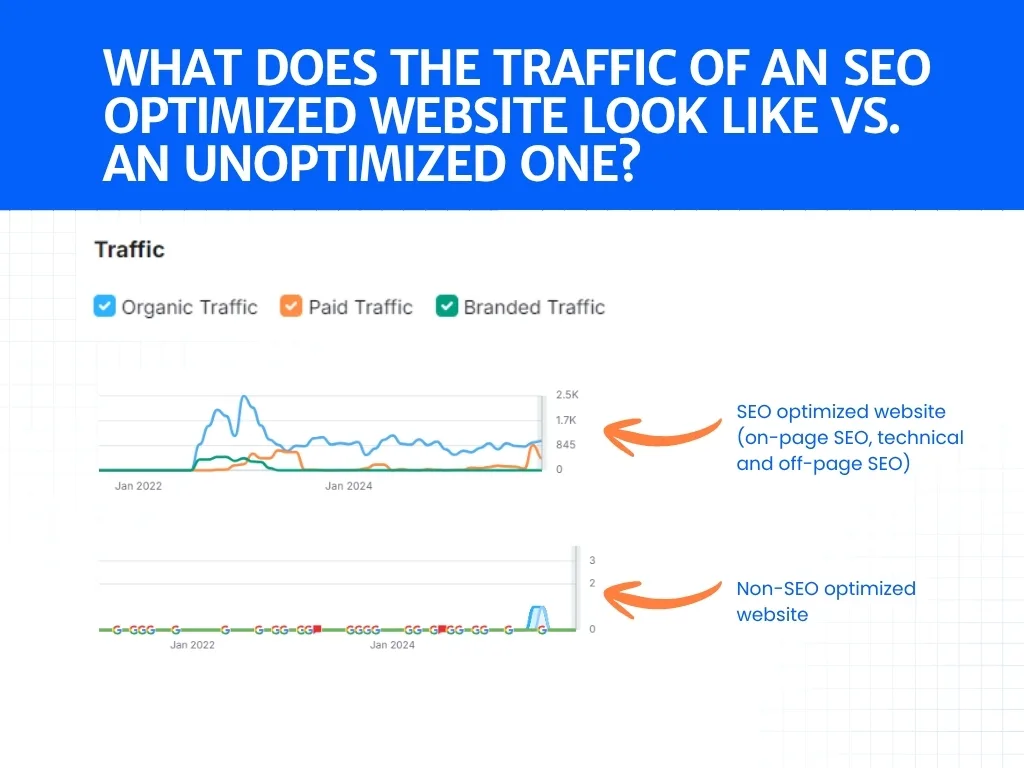
For a website to achieve visibility and rank highly on Google, On-Page SEO optimization is absolutely essential. This work includes:
- Optimized meta titles and descriptions
- Correct URL structure (SEO-friendly slugs)
- Content tailored to search intent
- Optimized images
- Good core technical performance
Without proper optimization, the website risks failing to achieve the desired visibility and search ranking.
7. Speed Optimization (Technical SEO)
Loading speed is crucial for both user experience and Google ranking algorithms. Speed optimization efforts may include:
- Caching implementation
- File minification (compressing CSS and JavaScript)
- Lossless image compression and optimization
- Utilizing a CDN (Content Delivery Network)
- Ongoing technical audits and continuous improvements
These tasks often require the intervention of a specialized developer, which is directly reflected in the final cost.
8. Experience and Professionalism of the Development Team
The final cost varies dramatically depending on who is building your website:
- Junior Freelancers → Lower costs, but a higher risk of delays or poor quality.
- Experienced Professionals or Agencies → Higher costs, but a much greater chance of securing a high-performing, scalable website optimized for tangible results.
Supplementary Costs in Website Creation and Launch
In addition to the main factors that influence website cost, there are mandatory supplementary expenses that many entrepreneurs only discover post-launch. These elements are not optional if you expect your site to function properly, remain secure, and scale effectively over time.
Here’s what you should anticipate:
1. Hosting and Domain Name
Every website requires a place to 'live' (hosting) and a specific web address (domain).
Estimated Price Ranges:
- Shared Hosting: $100 – $300 / year (for small and medium-sized websites)
- Premium / VPS Hosting: $250 – $1,500 / year (for e-commerce stores or high-traffic websites)
- Domain Name (.com, .net, .org, etc.): $15 – $25 / year for common extensions
2. SSL Certificate
The SSL Certificate is mandatory in 2025—both for security and for SEO. While some hosting providers offer it for free (via Let's Encrypt), premium options (essential for e-commerce stores or projects handling sensitive data) may incur supplementary costs.
Estimated Price Ranges:
- Standard SSL: $0 – $35 / year (Often included for free with quality hosting plans)
- Premium SSL (EV/OV): $100 – $500+ / year (Essential for high-trust e-commerce and organizations)
3. Marketing and Promotion Costs
No matter how well-designed your website is, it will not attract customers unless it is actively promoted. The costs associated with this depend entirely on your chosen strategy and the competitiveness of your market.
Estimated Price Ranges:
- Monthly SEO Retainer: $500 – $3,000+ / month (This varies heavily based on the scope and market competition)
- Google Ads / Meta Ads (Management + Budget): Management fees start at $500 / month + separate advertising budget.
- Content Writing / Blog Posts: $150 – $500+ / article (for high-quality, SEO-optimized content)
- Email Marketing Platform Subscription: $50 – $300 / month (Cost for the platform like Mailchimp or Klaviyo, based on subscriber volume; management fees are separate).
Promotion is essential if you want the website to generate results; mere online existence is never sufficient.
4. Other Supplementary Services
Depending on specific needs, the following additional costs may arise:
- Professional photography sessions
- Branding and visual identity (logo, color palette, style guide)
- Professional copywriting (for compelling website messaging)
- CRM / ERP system integration
- Custom-developed modules
- Business process automation
- Professional translation services (for multilingual sites)
- Integration of Premium/Paid Modules
Ongoing Costs After Website Launch
A crucial aspect many entrepreneurs overlook is that a website is not a "build it once and forget it" product. Post-launch, it requires constant maintenance to remain functional, secure, and relevant to your target audience.
In practice, there are two major categories of post-launch expenses:
Technical Updates and Security
Every modern website relies on modules, plugins, and third-party integrations that must be regularly updated to prevent system errors, security vulnerabilities, and performance degradation.
These updates include:
- Plugin and theme updates
- Platform core updates (WordPress, Shopify, etc.)
- Automated backups
- Uptime monitoring
- Security scans and audits
Without these interventions, the site is highly susceptible to becoming vulnerable, displaying critical errors, or even crashing entirely.
Estimated Costs:
- Updates & Security (Maintenance): $75 – $300 / month, depending on website complexity.
Content Updates
A static, neglected website inevitably loses relevance and search visibility over time. Both users and Google prioritize active sites that feature current, relevant content. This requires periodic updates to:
- Existing website copy (text)
- Visual assets (images)
- Video content
- Blog posts
- Service descriptions/landing pages
- Visual design elements (UI)
The fresher and more optimized the content is, the greater the chances are for increased visibility and higher conversion rates.
Estimated Costs:
- Content Updates: $100 – $300 / page OR $500 – $2,500 / month (depending on the required volume and complexity of the refresh).
How to Correctly Compare Price Quotes for Website Creation?
You now understand what influences pricing and what website construction actually involves. The natural next step is to request several quotes and select the right team. The challenge? All quotes "look" good, all promise results, and the price differences are often enormous.
The truth is that price should not be the sole selection criterion. Equally important is the team’s working style, the questions they ask, how deeply they understand your business goals, and their level of transparency.
There is no guaranteed formula for success, but there are a few clear signals that can help you filter quotes and make the correct choice.
1. An Offer Received Immediately, Without Questions, is a Major Red Flag
If a provider sends you a price instantly, without inquiring about the following crucial details:
- How many pages does the website need?
- What is the core goal of the project?
- Who is your target audience?
- What content structure do you currently have?
- Do you have an existing brand identity or style guide?
- Do you require any special or custom functionalities?
...then they are not analyzing your real needs and are most likely working from a generic template. And a generic website will only yield generic results—meaning poor or non-existent ones.
A good professional will always ask questions before providing a price quote.
2. A High Price Does Not Automatically Guarantee Quality
A high price can signify:
- A large team
- A complex process
- Extensive experience and know-how
- Strategy integrated into the process
However, a high price can also mean nothing if there is a lack of real involvement, communication, and genuine consultation.
If an agency or freelancer quotes a high price, but:
- Does not offer clear explanations
- Does not show you a work process
- Does not help you understand the steps involved
- Does not explain technological differences
- Does not ask relevant questions about your business goals
...then the high price is not justified, and they are likely not the right partner for you.
3. Avoid Quotes Without Clear Specifications
A professional quote must include:
- Number of pages
- Type of design (custom or template)
- Included functionalities
- Platform/Technology used
- Included SEO optimizations (or lack thereof)
- Maintenance (if included, for how long)
- Estimated timeline
- Included revisions
- Who provides the content
- Possible supplementary costs
If you receive a simple "Complete Website — $500," run.
Why the Price of a Website is a Strategic Investment, Not an Expense
After reviewing all the factors, supplementary costs, and differences between quote types, you have likely reached the same conclusion as many other entrepreneurs: there is no universal price for a website. There is only a price that is right for your specific business objective.
A website can be inexpensive if you only require a basic online presence, but it will cost more if you desire a real business tool that generates clients, visibility, and profit. Crucially, the investment in a website is not just "pages and design," but an entire process that includes strategy, technology, SEO, content, speed, security, and maintenance.
In 2025, the difference is no longer made by price, but by the value and impact the website delivers to your business.
- A low price gives you a "checkbox" website (a basic online presence).
- A correct price gives you a site that "performs" (a revenue-generating tool).
- And a high price means nothing if it is not accompanied by expertise, consultation, and genuine involvement.
Always choose the team that:
• Understands what you want to achieve, not just which pages to create;
• Asks questions, not just sends a price quote;
• Explains technological differences to you, instead of hiding them behind jargon;
• Offers you clarity, not confusion;
• Builds with results in mind, not just delivery.
A website is one of the most important digital assets of a modern business. When built correctly, it acts as an employee working for you non-stop: attracting traffic, convincing customers, selling, educating, filtering leads, and building trust.
That is why the real question is not: "How much does a website cost?" but: "What value does it deliver, and how much are you willing to invest for real results?"
If you view your website as a strategic investment, not an expense, you will make the right choice for both your budget and the future of your business.
Frequently Asked Questions
Why Did I Receive Such Different Price Quotes?
Prices vary enormously because a website is not a standard product. The differences stem from: the website type (presentation vs. eCommerce), the platform used (WordPress vs. Custom), the design type (template vs. custom), the functionalities included, and the experience/expertise of the team delivering the project.
What is the average cost of a professional website in 2025?
There is no universal average price. The cost is directly proportional to your objectives. A simple, "checkbox" website will cost less. A professional website, designed as a business tool to generate profit and clients, will require a much larger investment, including strategy and optimization.
Can I use a template to reduce costs?
Yes. Using a template (predefined template) significantly reduces the cost and time of development, being a cheaper solution. The disadvantage is that you risk having a generic website that is less perfectly adapted to your brand, unlike a custom design.
Why do I have to pay after launch (Maintenance)?
Post-launch costs are essential for the website to function correctly, securely, and remain relevant. These include:
Technical Updates and Security:To prevent errors and security breaches (plugins, themes, backups).
Hosting and Domain:Mandatory annual costs.
Content Updates:A static website loses its visibility over time.
Turn Vision into Results!
You now understand that a website is a strategic investment that must generate profit, not just a necessary expense.